 wilsin@wilsin-mold.com


更多的了解促进更多的业务
Contact Sales at WILSIN MOLD INDUSTRIAL (HK) CO.,LTD.
欢迎访问WILSIN MOLD INDUSTRIAL (HK) CO.,LTD企业官方网站!
Keep up with the latest developments in the plastic mold industry! The latest material applications, cutting-edge manufacturing technologies, and changes in market demand are presented to you. Accurately insight into industry trends to help you seize opportunities in the field of plastic molds. Real time updates, constantly exciting, come and get first-hand information!
How to prevent damage during plastic mold processing? To prevent damage, we need to improve our own strength. If we don't have the strength, why do customers choose us? Why don't customers choose better ones? They say we need to raise our prevention awareness if we want customers to stay, but this is not enough to give customers trust.
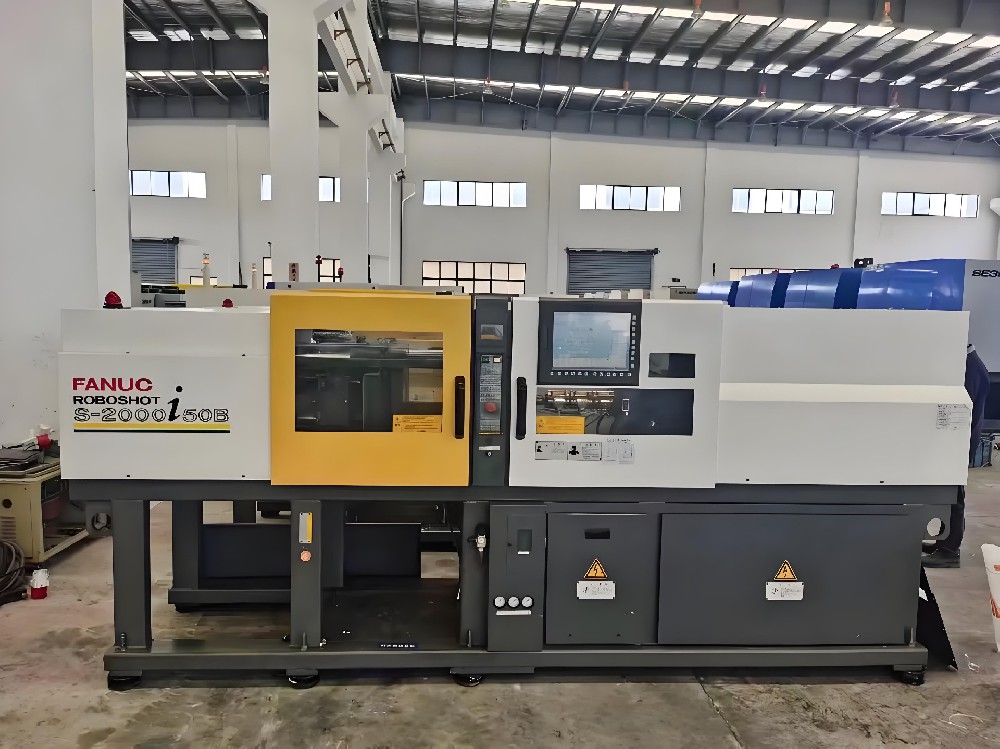
Preventive measures for damage during plastic mold processing:
1. Good casting structure design
The wall thickness of the casting should be as uniform as possible to avoid the formation of hot spots and reduce thermal fatigue caused by local heat concentration in the mold. The corners of castings should have appropriate casting fillets to avoid stress caused by sharp corners on the mold.
2. Reasonable design of plastic mold structure
(1) Each component in the mold should have sufficient rigidity and strength to withstand pressure without deformation. The thickness of the mold wall must be sufficient to reduce deformation.
(2) The design of the pouring system should minimize the impact and erosion on the core as much as possible.
(3) Correctly select the tolerance fit and surface roughness of each component.
(4) Maintain thermal balance of the mold.
3. Standardize the heat treatment process
Heat treatment can change the metallographic structure of materials, maintaining necessary strength, hardness, dimensional stability at high temperatures, thermal fatigue resistance, and material cutting performance. The correct heat treatment process is necessary to achieve very good results, and the performance of steel is controlled by quenching temperature and time, cooling rate, and tempering temperature.
4. Control of Die Casting Production Process
(1) Temperature control: preheating temperature and working temperature of the mold; The casting temperature of the alloy should be lower while maintaining good forming.
(2) Reasonable die-casting process: specific pressure, filling speed.
(3) Adjust the locking force of the machine to ensure even force distribution on the mold. Pay attention to cleaning the residual fragments on the surface of the mold to avoid uneven force on the mold surface during mold closing, which may cause deformation.
(4) Strictly control alloy melting and reduce gas in the molten metal