 wilsin@wilsin-mold.com


更多的了解促进更多的业务
Contact Sales at WILSIN MOLD INDUSTRIAL (HK) CO.,LTD.
欢迎访问WILSIN MOLD INDUSTRIAL (HK) CO.,LTD企业官方网站!
Keep up with the latest developments in the plastic mold industry! The latest material applications, cutting-edge manufacturing technologies, and changes in market demand are presented to you. Accurately insight into industry trends to help you seize opportunities in the field of plastic molds. Real time updates, constantly exciting, come and get first-hand information!
The temperature of plastic molds is a crucial step in injection molding. If the temperature control of the plastic mold is good, the processed product will be a good product; If the temperature control of the plastic mold is not good, the processed product may become scrap.
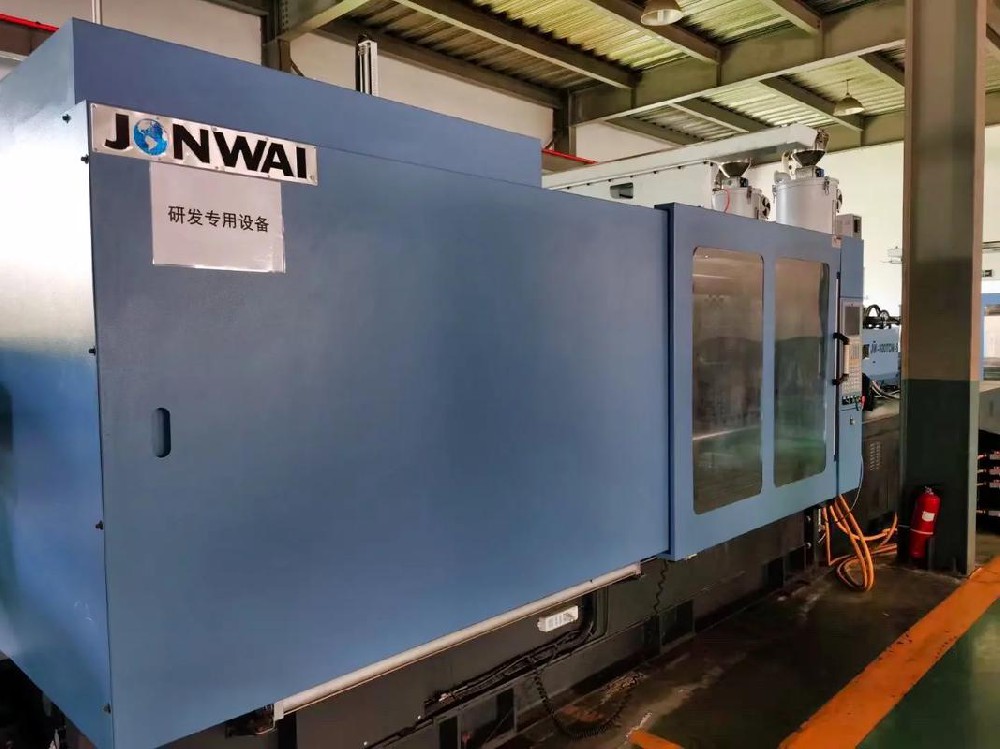
So, what other effects does the temperature of plastic molds have on processed products?
1. The temperature of plastic molds will reduce the dimensional accuracy of products, resulting in a decrease in the qualification rate of products,
2. The temperature difference between the mold core and the cavity is too large, causing uneven shrinkage of the plastic parts and resulting in bending deformation of the product, which affects the appearance of the parts.
3. The temperature of plastic molds is too high, which can cause deformation of the product during and after demolding, reducing its shape and dimensional accuracy.
4. For certain crystalline plastics, using plastic molds at high temperatures is beneficial for the crystallization process and avoids dimensional changes during storage or use.
5. For plastic flexible plastics, using plastic molds at low temperatures can reduce their molding shrinkage rate, improve the dimensional accuracy of the parts, shorten the molding cycle, and improve production efficiency.
6. When plastic molds are filled at low temperatures, if the melting rate is not high enough, the internal stress of the product increases, which can easily cause warping deformation or application cracking, especially for some high viscosity plastics.
7. The temperature of plastic molds can reduce the fluidity of the plastic melt, resulting in unclear contours of the parts, even incomplete filling, or significant cold joints during the filling process due to excessive decrease in the temperature of the melt front, leading to a decrease in the mechanical properties of the product. Low plastic mold temperature can also cause the surface of the product to be uneven, resulting in various surface defects.